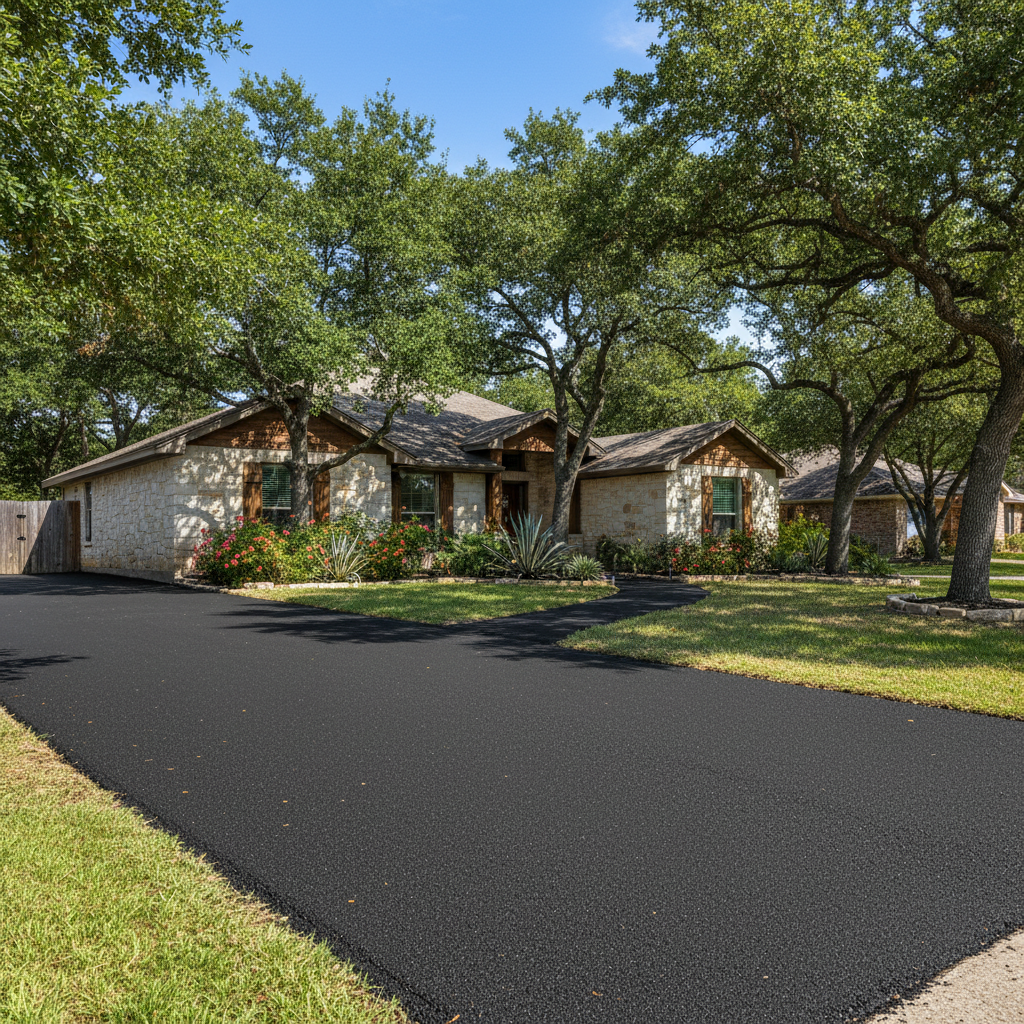
Alright, let's talk about your asphalt driveway here in Kyle. You shelled out good money for it, right? So you want it to last. I see a lot of driveways around here, and I can tell you, a little bit of regular care goes a long way. It's not rocket science, but it does mean paying attention.
Extending Your Asphalt's Life: The Basics
Think of your driveway like anything else you own; neglect it, and it'll fall apart faster. The biggest enemy of asphalt, especially in our Texas climate, is water and UV rays. That sun beats down hard, and when it's not sunny, we get those sudden, heavy downpours that can really mess things up if your asphalt isn't sealed right.
- Sealcoating is King: This is probably the single most important thing you can do. A good quality sealcoat acts like sunscreen and a raincoat for your driveway. It protects the asphalt binder from UV degradation and prevents water from seeping into the sub-base, which is where real trouble starts. I usually recommend sealcoating every 2-3 years for residential driveways, depending on traffic and how much sun it gets. Don't skip this.
- Mind the Weight: Try not to park heavy equipment or RVs on your asphalt for extended periods, especially during hot summer months when the asphalt is softer. Concentrated weight can cause depressions and cracking.
- Clean It Up: Don't let oil or gas spills sit. Asphalt is petroleum-based, so these spills will break down the material over time. Clean them up quickly with an absorbent material and a stiff brush.
Regular Maintenance You Can Do Yourself
You don't need a crew to do these things, just a little bit of time and observation.
- Sweep Debris: Leaves, dirt, and gravel can hold moisture against the asphalt, and if left long enough, can contribute to moss or weed growth. A quick sweep now and then keeps things clear.
- Edge Control: Keep the edges of your driveway clear of grass and weeds. Roots can grow under the asphalt and cause cracks or lift sections. A weed eater or some weed killer along the edges works wonders.
- Drainage Check: After a good rain, take a look at your driveway. Is water pooling anywhere? If it's sitting for hours, that's a problem. Proper drainage is crucial to preventing water damage. Sometimes, a simple fix like clearing a clogged drain or redirecting a downspout can make a big difference.
Warning Signs: When to Pay Closer Attention
Your driveway will talk to you if you know what to look for. These are the red flags:
- Cracks: Small, hairline cracks are normal as asphalt ages, but if they start widening, connecting, or forming a spiderweb pattern (alligator cracking), you've got a problem. Water gets into those cracks, freezes and expands in winter (though our Kyle winters are usually mild, it still happens sometimes), and then thaws, eroding the base.
- Potholes: These are basically advanced cracks that have failed. They start small and get bigger fast. Don't ignore them; they'll only get worse and can damage your car.
- Fading and Discoloration: If your asphalt is looking gray instead of black, that's a sign the binder is oxidizing from UV exposure. It means your sealcoat is worn out or was never applied properly.
- Soft Spots or Depressions: If you notice areas that feel soft underfoot or where water consistently pools, it could indicate a problem with the sub-base. This is more serious and usually means water has gotten underneath.
When to Call a Professional
Look, I'm a contractor, so of course I'm going to say call a pro. But seriously, there are times when DIY just won't cut it, and trying to fix it yourself can make it worse or more expensive in the long run.
- Extensive Cracking: If you've got alligator cracking over a large area, or cracks that are wider than a quarter-inch, you're beyond a simple crack filler. You might need patching or even an overlay.
- Potholes: While you can buy cold patch, it's often a temporary fix. For a durable repair, especially for larger or multiple potholes, a professional hot asphalt patch is the way to go.
- Drainage Issues: If water is consistently pooling or running off your driveway in ways that cause erosion, you need an expert to assess the grading and possibly install new drainage solutions. This is especially true in areas like Plum Creek where the soil can be a bit clay-heavy and doesn't drain as well.
- Sub-base Problems: Soft spots, significant depressions, or areas where the asphalt is crumbling indicate a failure of the material underneath. This requires excavation and rebuilding, which is definitely not a DIY job.
- Sealcoating: While some homeowners try it, getting a consistent, even, and durable sealcoat requires proper equipment and technique. Mighty Paving Solutions has the right gear and experience to get it done right, ensuring it lasts as long as it should.
Don't wait until your driveway looks like a lunar landscape. Catching these issues early saves you money and hassle down the road. A little proactive maintenance now means you won't be calling me for a full replacement sooner than you should.