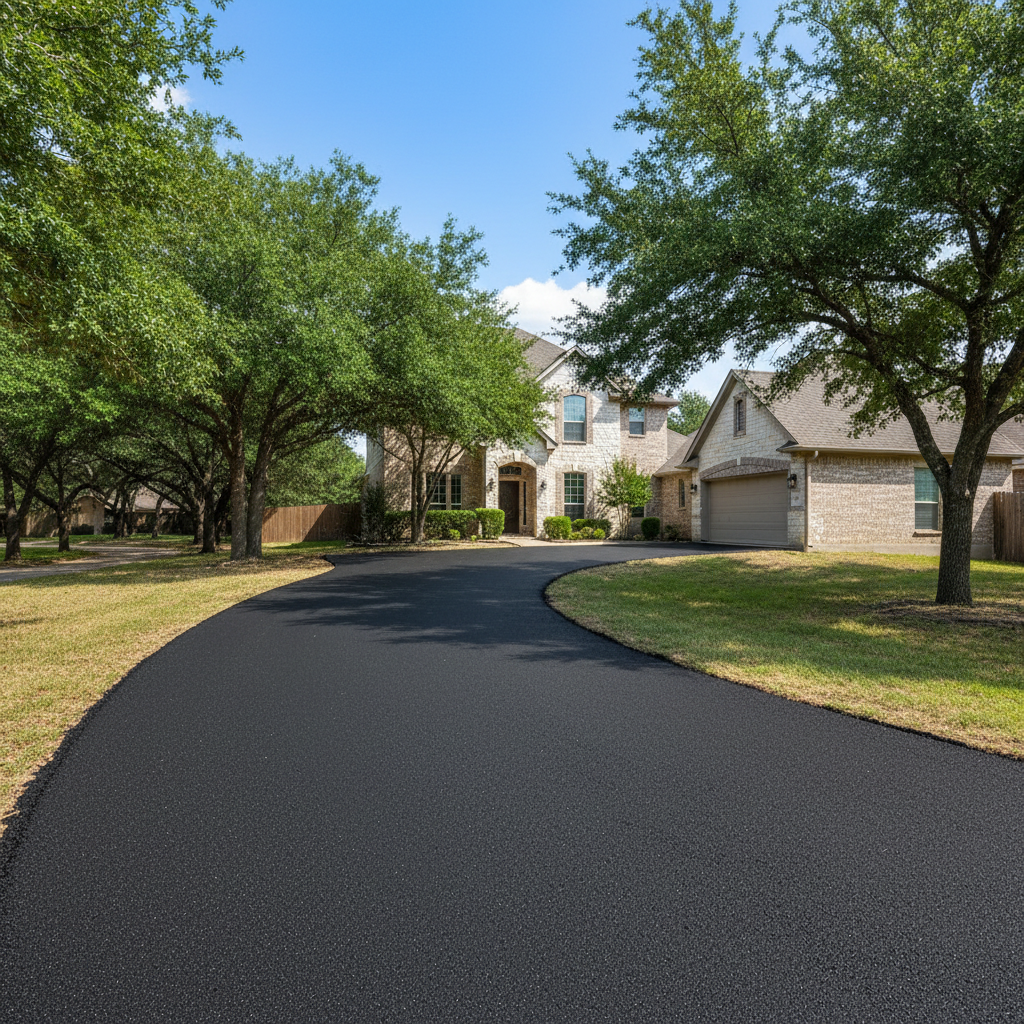
Ever looked at your asphalt driveway and wondered if it's holding up the way it should be? Especially here in Kyle, with our crazy weather swings, it's a fair question. Your driveway takes a beating, and understanding how our local climate affects it is key to making it last. I'm talking about when to schedule work, what conditions matter, and how to protect your investment year-round.
When's the Best Time for Asphalt Work in Kyle?
This is probably the most common question I get. For asphalt paving or major repairs, you're really looking at spring and fall. Why? Because asphalt needs specific temperatures to cure properly. It's not just about what it feels like outside; it's about the ground temperature too.
- Spring (March-May): This is prime time. The ground has thawed out from any colder snaps, and we're usually getting consistent daytime temps between 60-85°F. That's ideal for the asphalt to bind and set correctly. You'll see a lot of contractors, including us at Mighty Paving Solutions, busy during these months.
- Fall (September-November): Another sweet spot. The scorching summer heat has backed off, but the ground hasn't gotten too cold yet. You get those nice, mild days that are perfect for laying down new asphalt or doing significant patching.
What you want to avoid is the dead of summer or winter. Laying asphalt when it's 100°F out, or when it's freezing, just doesn't work right. It'll either cure too fast and become brittle, or it won't cure at all, leading to a weak surface that'll crack up on you way too soon.
How Kyle's Weather Messes with Your Driveway
Our climate here in Kyle is a real challenge for asphalt. It's not just the heat; it's the whole package.
- The Texas Heat: Man, it gets hot. Those long stretches of 90°F+ days? They make asphalt expand. Over time, this constant expansion and contraction weakens the material, leading to cracks. It also speeds up the oxidation process, making your asphalt dry out and become brittle.
- Heavy Rains and Flash Floods: We get some serious downpours. Water is asphalt's worst enemy. If it gets into those tiny cracks, it'll start eroding the base layer underneath. If the base washes out, your asphalt loses support and starts to sink or crack more severely. This is especially true if you're in an area like some parts of Plum Creek, where drainage can be tricky.
- Freeze-Thaw Cycles (even if they're rare): We don't get a ton of hard freezes, but when we do, and there's water in those cracks, it expands as it freezes. That expansion acts like a tiny jackhammer, making those cracks bigger and bigger.
- UV Damage: The sun's UV rays aren't just bad for your skin; they break down the binders in asphalt, causing it to fade, dry out, and become less flexible.
Protecting Your Investment Year-Round
You've put money into your driveway, so let's keep it looking good and performing well. Here's what you can do:
- Sealcoating: This is your first line of defense. A good quality sealcoat every 2-3 years acts like sunscreen for your asphalt. It protects against UV rays, water penetration, and even helps with minor cracks. It also gives your driveway that nice, dark, refreshed look. Just make sure the weather's right when you get it done – usually spring or fall, same as paving.
- Crack Sealing: Don't ignore those small cracks. They might seem minor, but they're open invitations for water to get in and cause serious damage. Get them filled as soon as you see them. It's a cheap fix now compared to a major repair later.
- Prompt Repairs: Potholes or larger damaged areas need attention fast. The longer you wait, the bigger and more expensive the problem gets. We're talking about preventing water from undermining your whole driveway.
- Keep it Clean: Sweep off dirt, leaves, and debris regularly. They can hold moisture against the asphalt, and if oil or gas drips, clean it up quickly. Those chemicals can break down the asphalt binder.
- Mind Your Drainage: Make sure water isn't pooling on your driveway or running off in ways that erode the edges. Proper drainage is crucial for asphalt longevity.
Taking these steps won't just make your driveway look better; it'll save you a lot of headaches and money in the long run. A little proactive care goes a long way, especially with our Texas weather doing its best to wear things down.