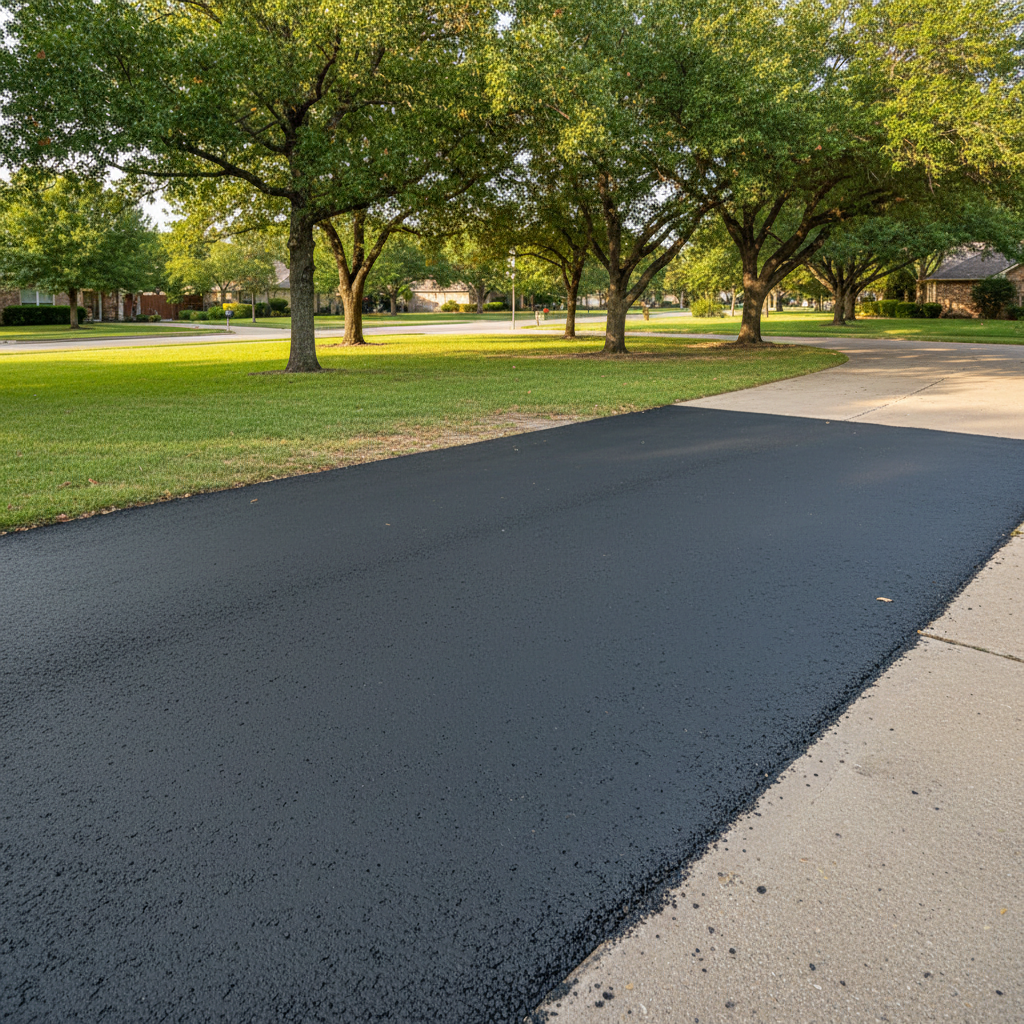
So, you've just put money into getting your asphalt fixed. Maybe it was a nasty pothole, some annoying cracks, or a bigger section that really needed attention. That's a smart move, no doubt, but the job isn't truly finished just because the crew packed up their gear. You've actually got to protect that investment, especially here in Kyle where our weather can be pretty brutal on pavement. Nobody wants to see those repairs fall apart too soon, right?
Make Your Asphalt Repairs Last Longer
Getting your asphalt repairs to stick around for the long haul really boils down to a few key things. It's not rocket science, honestly, but it does ask for a little bit of careful attention. First off, you've got to let it cure. Your contractor should tell you how long to keep off it, depending on the type of repair and what materials they used. Don't rush it. Driving on fresh asphalt, even just a patch, before it's completely set is just asking for trouble. You'll end up pushing the material around, creating new weak spots, and basically undoing some of that hard work.
Once it's cured and solid, think about sealing it. A good sealcoat over the whole surface — including the spots that were repaired — does a couple of important things. It puts up a protective wall against water, those harsh UV rays, and oil spills. Our intense Texas sun can really dry out asphalt, making it brittle, and water? Well, water is asphalt's number one enemy. A sealcoat helps keep those repairs flexible and stops water from seeping into the sub-base, which is where a lot of pavement problems actually start. I always tell folks in neighborhoods like Plum Creek or Waterleaf that a regular sealcoat is like sunscreen for your driveway – it's absolutely essential for our climate.
Also, be mindful of heavy loads. If you've got big trucks or RVs parking regularly, try to spread out the weight or use specific areas for them. Too much concentrated weight on a newly repaired spot can really stress it out. It's not always something you can avoid, but being aware certainly helps.
Regular Maintenance You Can Handle
Keeping your asphalt in good shape isn't just about big projects; it's about making small, consistent efforts. Keep it clean, for starters. Sweep off dirt, leaves, and other debris. Organic stuff holds moisture against the surface, and that's never a good thing. Plus, sharp gravel or stones can get ground into the asphalt by tires, causing wear over time.
Keep an eye out for oil and gas spills. These chemicals really break down the asphalt binder, turning it soft and crumbly. If you spot a spill, clean it up fast with something absorbent like cat litter or sand, then scrub it with a stiff brush and some mild detergent. Rinse it really well. Don't let that gunk just sit there and eat away at your pavement.
Check your drainage, too. Make sure water isn't pooling on your driveway or parking lot, especially near those repaired areas. Our heavy rains here in Kyle can quickly turn a small puddle into a major headache if the water has nowhere to go. If you notice standing water, it might signal a drainage issue that needs fixing, or a low spot that could mess with your repairs over time.
Signs That Something's Wrong
You've got to pay attention. Your asphalt will definitely tell you when it's not feeling well. Here are some things to watch for:
- New Cracks: Even after repairs, new cracks can pop up. Small hairline cracks are normal as things age, but if you see them spreading quickly, or if they're wider than a quarter-inch, they need some attention.
- Potholes Reappearing: If a pothole you had fixed starts to show signs of coming back, or if new ones appear nearby, it could mean there's an issue with the sub-base or the initial repair wasn't quite strong enough.
- Fading or Discoloration: While sealcoating helps, if your asphalt looks really gray and faded, it's losing its protective oils and getting brittle. This makes it much more likely to crack and suffer water damage.
- Raveling: This happens when the aggregate (those small stones) starts to come loose from the asphalt binder. It looks rough and crumbly. Usually, this means the surface is falling apart and losing its structural integrity.
- Soft Spots or Depressions: If you notice areas that feel soft or spongy when you walk or drive over them, or if depressions start to form, that's a huge red flag. This often points to a problem with the sub-base, like water saturation or it wasn't compacted enough.
When to Bring in a Professional
Look, I'm a big believer in homeowners doing what they can, but some things just require a pro. You should definitely call Mighty Paving Solutions, or another reputable contractor, if you spot:
- Extensive Cracking: If you've got alligator cracking (it literally looks like alligator skin) or a network of interconnected cracks over a big area, that's way beyond a simple DIY patch. It points to a deeper structural problem.
- Significant Potholes: While you can patch small potholes yourself, large, deep ones, or multiple potholes forming in the same spot, usually mean the underlying base is compromised. A professional can properly dig it out, rebuild the base, and put down a durable patch.
- Drainage Issues: If water is constantly pooling on your pavement and not draining away, a professional can check the grade and suggest solutions like installing drains or regrading. Poor drainage will ruin any asphalt surface, and fast.
- Sub-base Failure: Soft spots, widespread depressions, or areas where the asphalt is crumbling and sinking are clear signs of sub-base failure. This needs heavy equipment and real expertise to fix correctly. You can't just throw more asphalt on top and expect it to hold up, can you?
- You're Unsure: Honestly, if you're looking at something and you're just not sure what it is or how serious it might be, pick up the phone. It's always better to get an expert opinion early than to let a small problem balloon into an expensive nightmare.
Taking care of your asphalt repairs isn't just about how it looks; it's about how well it works and saving yourself money in the long run. A little attention now can prevent a lot of headaches and much bigger bills down the road.